


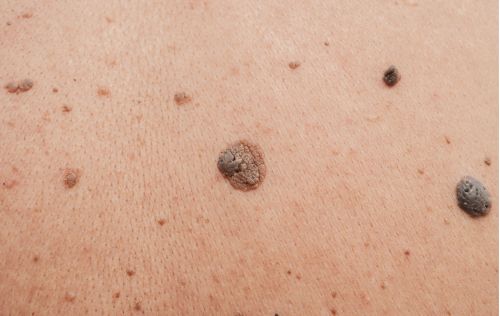
Skin cancer is the most common cancer in the United States, yet it is also one of the most treatable—especially when detected early. While many people associate skin cancer primarily with melanoma, the reality is that non-melanoma skin cancers, such as basal cell carcinoma and squamous cell carcinoma, account for the majority of cases.
Regardless of type, timely treatment of skin cancer is critical to preventing complications, preserving healthy tissue, and protecting overall health.
Understanding the importance of early intervention, the risks of delaying care, and the available skin cancer treatment options can help patients make informed decisions about their dermatologic health.
Why Skin Cancer Treatment Is So Important
Skin cancer does not resolve on its own. Left untreated, cancerous cells can grow deeper into the skin, damage surrounding tissue, and in some cases, spread to other parts of the body. Even non-melanoma skin cancers, which often grow more slowly than melanoma, can cause significant harm if ignored.
Basal cell carcinoma, the most common type of skin cancer, rarely spreads but can become locally destructive. Without proper treatment for basal cell skin cancer, it may invade cartilage, bone, and surrounding structures—especially when located on the face, ears, or scalp. Squamous cell carcinoma carries a higher risk of spreading and can become life-threatening if not treated promptly. Early treatment for squamous cell skin cancer dramatically improves outcomes and reduces the risk of complications.
Beyond the medical risks, untreated skin cancer can also lead to permanent scarring, disfigurement, and functional issues depending on the tumor’s location. Effective treatment helps preserve both health and quality of life.
Skin Cancer Affects More Than Just Melanoma Patients
Melanoma receives significant attention because of its aggressive nature, but it represents only a small percentage of total skin cancer cases. Basal cell carcinoma and squamous cell carcinoma are far more common and still require professional care.
Many patients underestimate non-melanoma skin cancers, assuming they are “less serious.” While they are often highly treatable, that does not mean they are harmless. Delaying treatment increases tumor size, the complexity of removal, and the risk of long-term damage.
Skin cancer can affect individuals of all ages and skin tones. Anyone with a history of sun exposure, tanning bed use, or outdoor work faces increased risk. Routine skin exams and early treatment ensure that even small lesions are addressed before they become more problematic.
Common Skin Cancer Treatment Options
Modern dermatology offers several effective skin cancer treatment options tailored to the cancer's type, size, and location. The goal is to remove all cancerous cells while preserving as much healthy tissue as possible.
1. Surgical Excision
This is one of the most common methods for removing skin cancer. The dermatologist cuts out the cancerous lesion along with a margin of healthy skin to ensure complete removal. Excision is frequently used for both basal cell and squamous cell carcinomas and offers high cure rates when performed early.
2. Mohs Surgery
Mohs micrographic surgery is a specialized technique often used for skin cancers on the face, ears, hands, and other sensitive areas. The cancer is removed layer by layer, with each layer examined under a microscope until no cancer cells remain. This approach allows for precise removal while sparing healthy tissue. Mohs surgery is particularly effective for high-risk or recurrent tumors.
3. Curettage and Electrodessication
In some cases, smaller or superficial skin cancers can be treated by scraping away the cancerous tissue and using controlled electrical energy to destroy remaining cells. This method is commonly used for certain types of basal cell carcinoma.
4. Topical Treatments
For select superficial skin cancers or precancerous lesions, prescription creams may be used to destroy abnormal cells over time. These treatments are carefully monitored by a dermatologist to ensure effectiveness.
Your provider will recommend the most appropriate approach based on the cancer’s characteristics and your individual health needs.
What Happens If Skin Cancer Is Not Treated?
Delaying or avoiding treatment for skin cancer can lead to serious consequences. Over time, tumors increase in size, penetrate deeper into the skin, and become more difficult to remove. This often results in more extensive procedures, longer healing times, and increased risk of scarring.
In squamous cell carcinoma, untreated lesions can spread to lymph nodes and internal organs. Advanced disease may require more aggressive treatment and carries a higher risk of complications.
Even slow-growing basal cell carcinomas can cause extensive tissue damage if left untreated. Lesions near the eyes, nose, or ears can impair function and appearance.
Early intervention keeps treatment simpler, more effective, and less invasive.
High Success Rates With Early Detection
The effectiveness of basal cell skin cancer treatment and squamous cell skin cancer treatment is very high when cancers are caught early. Most non-melanoma skin cancers are curable with appropriate care, and recurrence rates remain low when treatment is performed properly.
Routine skin exams play a crucial role in early detection. Dermatologists are trained to identify subtle changes in the skin that may signal cancer long before symptoms become noticeable. Patients who schedule regular checkups and perform monthly self-exams are more likely to catch skin cancer at its earliest, most treatable stage.
Protecting Your Skin Moving Forward
While treatment is highly effective, prevention remains essential to long-term skin health. Wearing sunscreen daily, avoiding tanning beds, seeking shade, and wearing protective clothing all reduce your risk of developing new skin cancers.
If you notice a spot that is changing, bleeding, not healing, or looks different from your other moles, it is important to seek professional evaluation promptly. Early diagnosis leads to simpler and more successful treatment.
Take Action for Your Health
Skin cancer is common, but it is also highly treatable. With today’s advanced skin cancer treatment options, most patients can expect excellent outcomes—especially when care begins early. Whether you are facing a basal cell carcinoma, squamous cell carcinoma, or another type of skin cancer, timely treatment protects both your health and your future.
If you have concerns about a suspicious lesion or are due for a skin exam, schedule an appointment with a board-certified dermatologist. Effective treatment for skin cancer starts with awareness, action, and expert care.


