


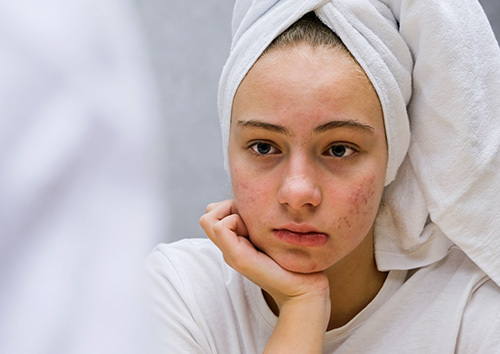
Acne is one of the most common chronic skin conditions, affecting people of all ages—but its result often extends far beyond the skin. Because acne is so visible, it can influence how a person feels about themselves and how they believe others perceive them.
Over time, this can begin to affect mental well-being, confidence, and overall quality of life. Understanding the connection between acne and mental health is an important step toward treating the whole person, not just the skin.*
This article explores acne's impact on mental and emotional health, why some are more affected, and how professional treatment can help.
Acne and Mental Health
Acne's mental health impacts vary, but research reliably links it to emotional distress. Living with a chronic skin condition may cause various mental health issues, including:
- Body image concerns: Acne can cause individuals to feel dissatisfied or uncomfortable with their appearance, especially when breakouts occur on the face, chest, or back.
- Low self-esteem: Persistent acne may lead people to feel embarrassed, ashamed, or less confident in social or career settings.
- Anxiety: Worry about breakouts, flare-ups, or how others may react can increase social anxiety or avoidance.
- Depression: In some cases, the emotional burden of acne may contribute to feelings of sadness, hopelessness, or withdrawal.
These emotional effects are common but not always openly discussed. Over time, acne may disturb daily activities, relationships, and self-confidence. Some may feel alone or believe they'll always struggle, which can worsen emotional stress.
For teenagers, these problems can be especially difficult. Adolescence is already a time of increased self-awareness. Acne may increase the risk of bullying or teasing by classmates, teammates, or peers in public spaces. However, adults are not immune. Adult acne can be equally frustrating and emotionally taxing.
What Causes Acne-Related Mental Health Challenges?
While acne does not cause mental illness, a number of factors shape its impact on mental and emotional health.
- Severity of acne: Moderate to severe acne often has a bigger emotional impact than occasional breakouts. This is especially true when it is persistent or hard to control.
- Acne scarring: Permanent or long-lasting acne scars can affect self-esteem. This emotional effect can remain even after active breakouts have improved.
- Location of acne: Acne on visible areas like the face, neck, or jawline may be harder to conceal and more emotionally distressing.
These factors can increase feelings of frustration, embarrassment, or helplessness. When acne resists over-the-counter treatments, people may feel discouraged or blame themselves. This blame can persist even though the condition is largely out of their control.
How Acne Treatment Can Help
Professional care properly addresses both the physical and emotional effects of acne. Dermatologic treatment clears active breakouts and prevents long-term damage, such as scarring.
Effective acne treatment may include topical or oral medications, in-office procedures, or customized skincare regimens based on the individual’s skin type and acne severity. As the skin begins to improve, many patients notice secondary benefits beyond clearer skin.
These improvements may include:
- Gradual increases in self-esteem and confidence
- Reduced anxiety related to appearance
- Improved comfort in social, academic, or professional environments
By treating acne early and consistently, patients can minimize both physical symptoms, such as scarring, and the emotional strain often associated with acne, such as reduced confidence or social discomfort. Early treatment supports improved mental health and overall quality of life.
Get Treatment Today
Don't wait to seek help—acne is a chronic condition with real emotional effects. Choosing compassionate, professional treatment can help you break the cycle of distress and reclaim your confidence. Take charge of your skin and your well-being today.
Contact Dermatology Partners now to start a personalized acne treatment plan. Our experienced team is ready to help you on your journey toward clear skin and a healthier state of mind—schedule your appointment and take the first step today.
*Medical Disclaimer
The information provided in this article is for general educational purposes only and is not intended as a substitute for professional medical advice, diagnosis, or treatment. Always seek the guidance of a qualified healthcare provider with any questions you may have regarding a medical condition. Dermatology Partners is not responsible for any errors, omissions, or outcomes resulting from reliance on this information.
Sources
American Academy of Dermatology Association
American Academy of Dermatology Association. (n.d.). Acne can affect more than your skin. Retrieved from https://www.aad.org/public/diseases/acne/acne-emotional-effects
PMC article (Hazarika & Archana)
Hazarika, N., & Archana, M. (2016). The psychosocial impact of acne vulgaris. Indian Journal of Dermatology, 61(5), 515–520. https://www.ncbi.nlm.nih.gov/pmc/articles/PMC5029236/
DermNet NZ article
Oakley, A., & Collier, J. (1999). Psychological effects of acne. DermNet NZ. Retrieved from https://dermnetnz.org/topics/psychological-effects-of-acne


